Historical Timeline

Portions of east central Jefferson County were beginning to develop as an area for suburban living. Homes and businesses were supplied only by individual surface wells. Water from these wells was 'hard,' and the hazard of contamination was always present.
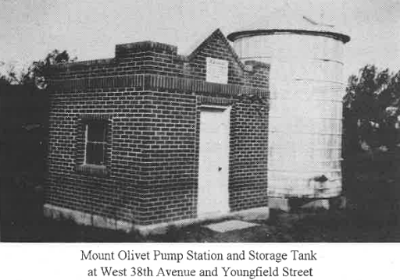
An American Tradition: Neighborly cooperation solved community problems. Here and there, three or four neighbors pooled their resources and bored new wells into a deep underground aquifer (known as the Arapahoe Formation). Some wells would be drilled 700 feet below the surface. They added small pumphouses, wooden storage tanks, laid pipe to their homes…and presto, a water system was established.
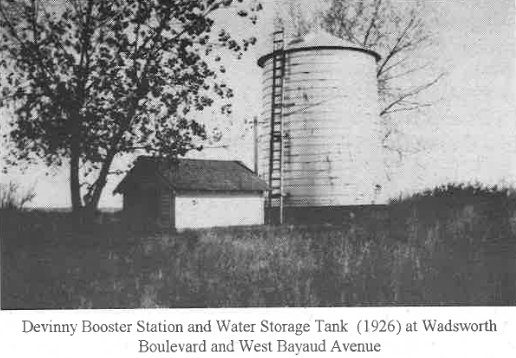
Mutual Effort: 4 small companies realized the scale of economics. The Oakes Mutual, North Wadsworth, Glen Creighton, and Wadsworth Mutual Water Companies merged to create The Consolidated Mutual Water Company (CMWC).
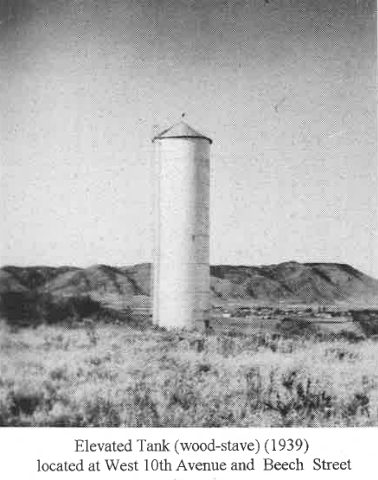
CMWC operates two systems: A stipulation in the first DW contract allowed the well systems to continue operation. However, there was to be no connection between the system distributing water from DW and the well water. At this time, elevations below the Moffat Filter Plant were served by the "Denver System," and everything higher in elevation was served by the "Maple Grove System."
CMWC pens deal with Denver Water: A severe drought in 1931 left some customers without water. CMWC negotiated an agreement with Denver Water to purchase water. With this, CMWC became the oldest wholesale distributor of Denver Water.
Continued growth to the west (higher elevation): CMWC embarked on a program to increase supply by drilling additional wells. The Denver System could not fully supplement the needs of the growing area. 8 new large wells with storage tanks were constructed during this time.
Drought and Growth: For the second time in the CMWC's history, the combination of growth and drought created problems for CMWC. As a more permanent, long-term solution to meeting demands, CMWC began acquiring surface-water rights (from Clear Creek) and land to construct a storage reservoir.
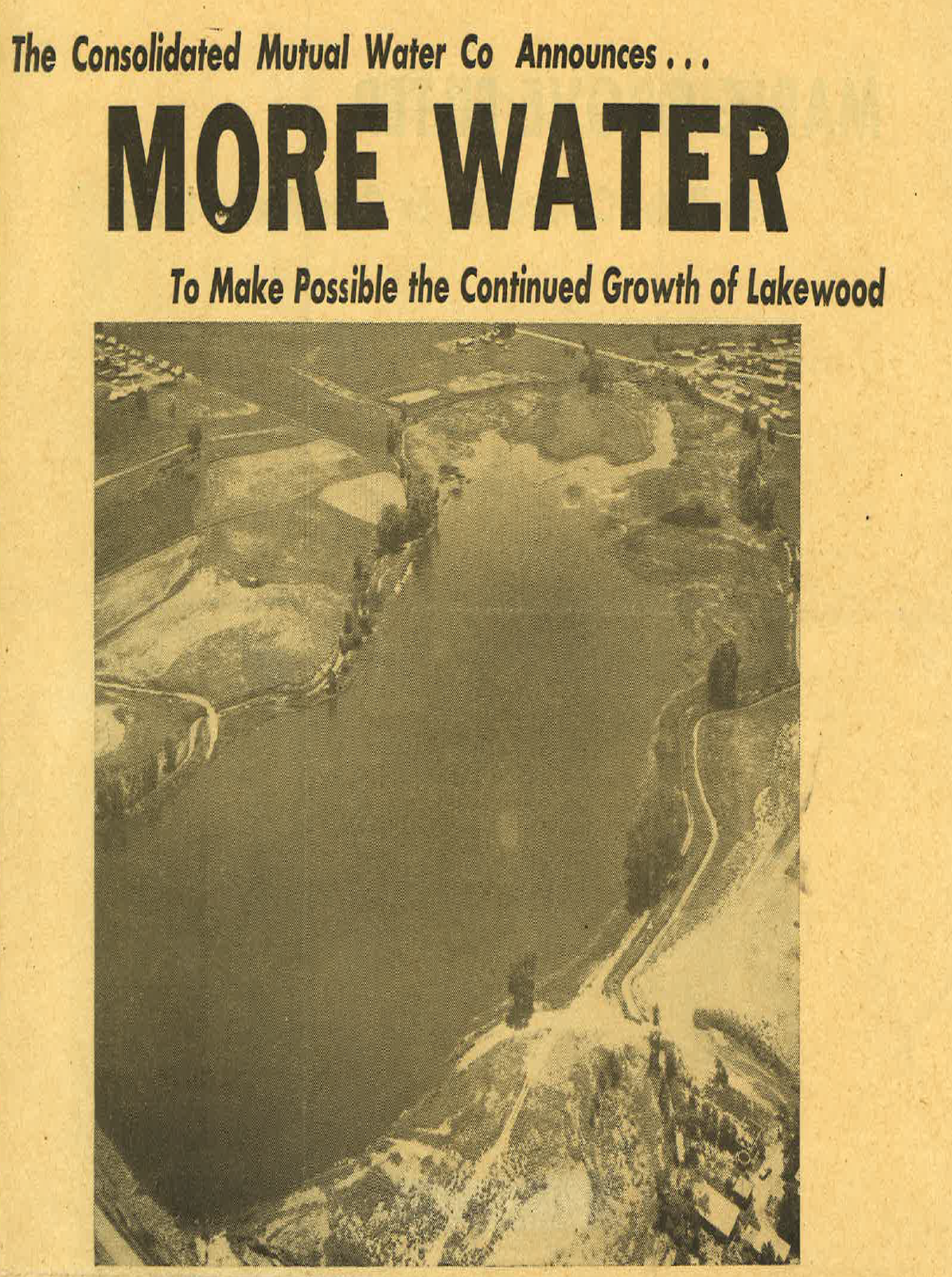
Dam and Treatment Plant Built: The Reservoir and Treatment Plant were built in 1957. The original size of MGR was 621 AF, and the plant's capacity was 2 MGD.
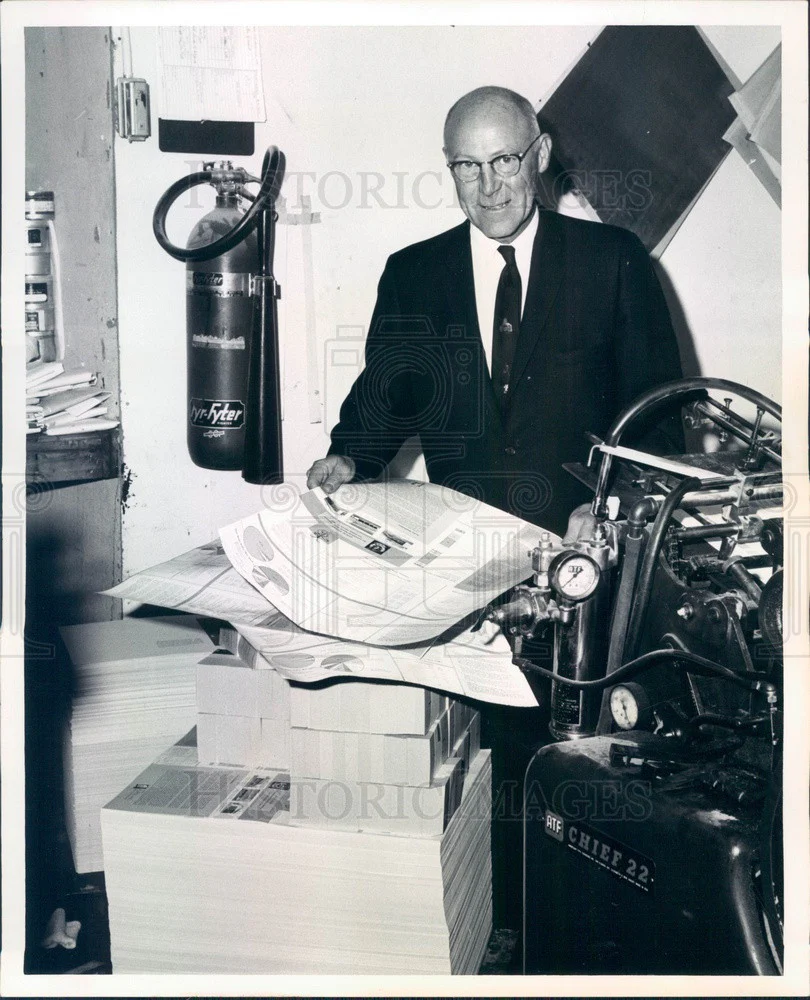
Mergers: The same cooperative spirit that established CMWC continued with 7 additional smaller water providers merging into the company. Since incorporation in 1926, the number of stockholders grew from 136 to 19,603 by January 31, 1993.
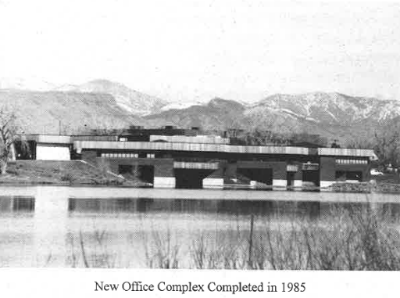
The new office complex at the Maple Grove Reservoir and Treatment plant was completed.
Fairmount Reservoir: CMWC's second raw-water storage reservoir was completed.
Welton Reservoir: CMWC's largest storage reservoir was completed.
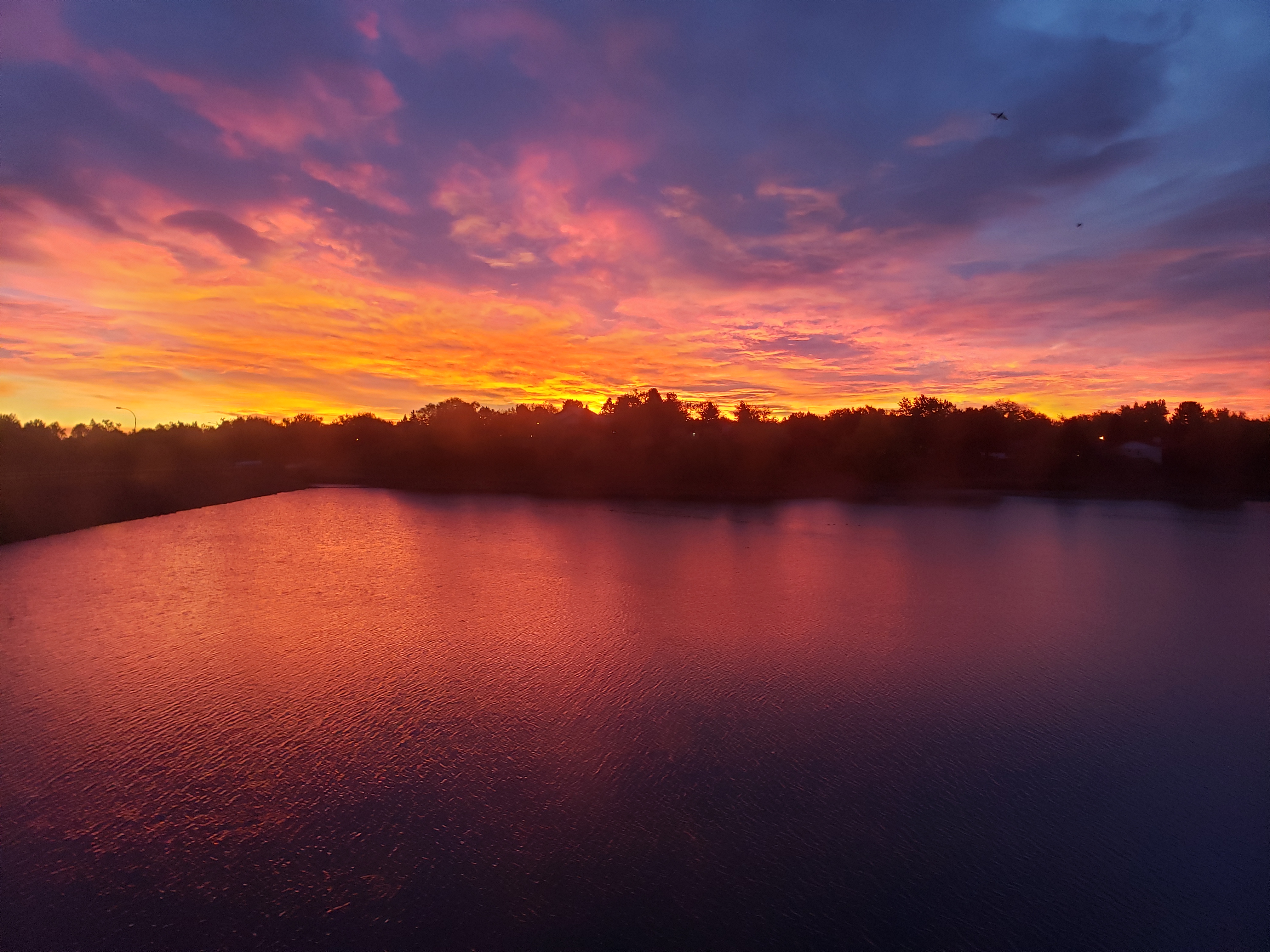
CMWC continues to acquire additional water rights, enhance the treatment capacity, improve the distribution system, and provide excellent customer service.